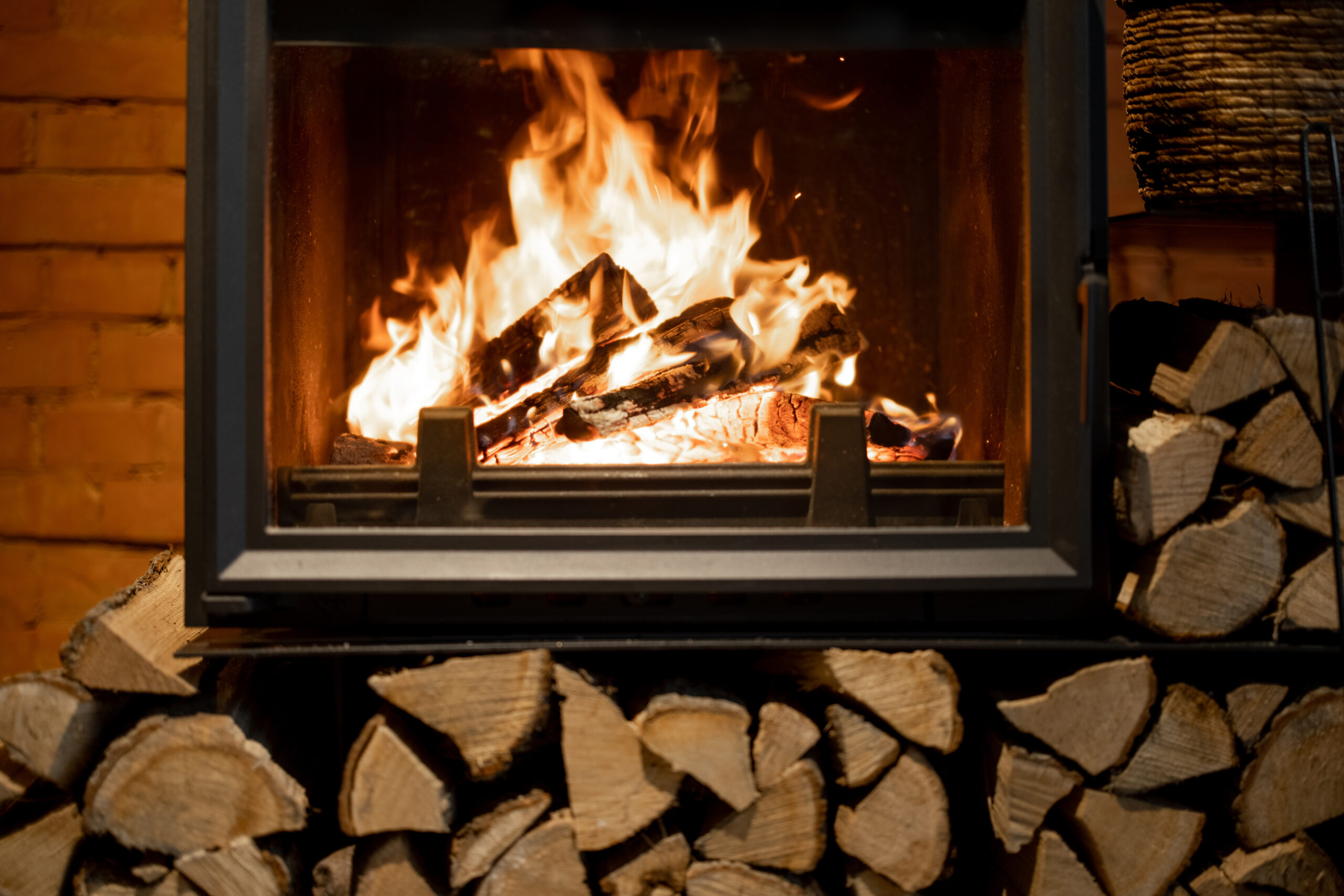
When the power goes out, a real fireplace keeps working. There's no dependency on the national grid, no smart meter controlling your usage, and no vulnerability to energy infrastructure failures. For rural communities especially, where power cuts can last hours or even days, a real fireplace isn't a luxury — it's a lifeline.
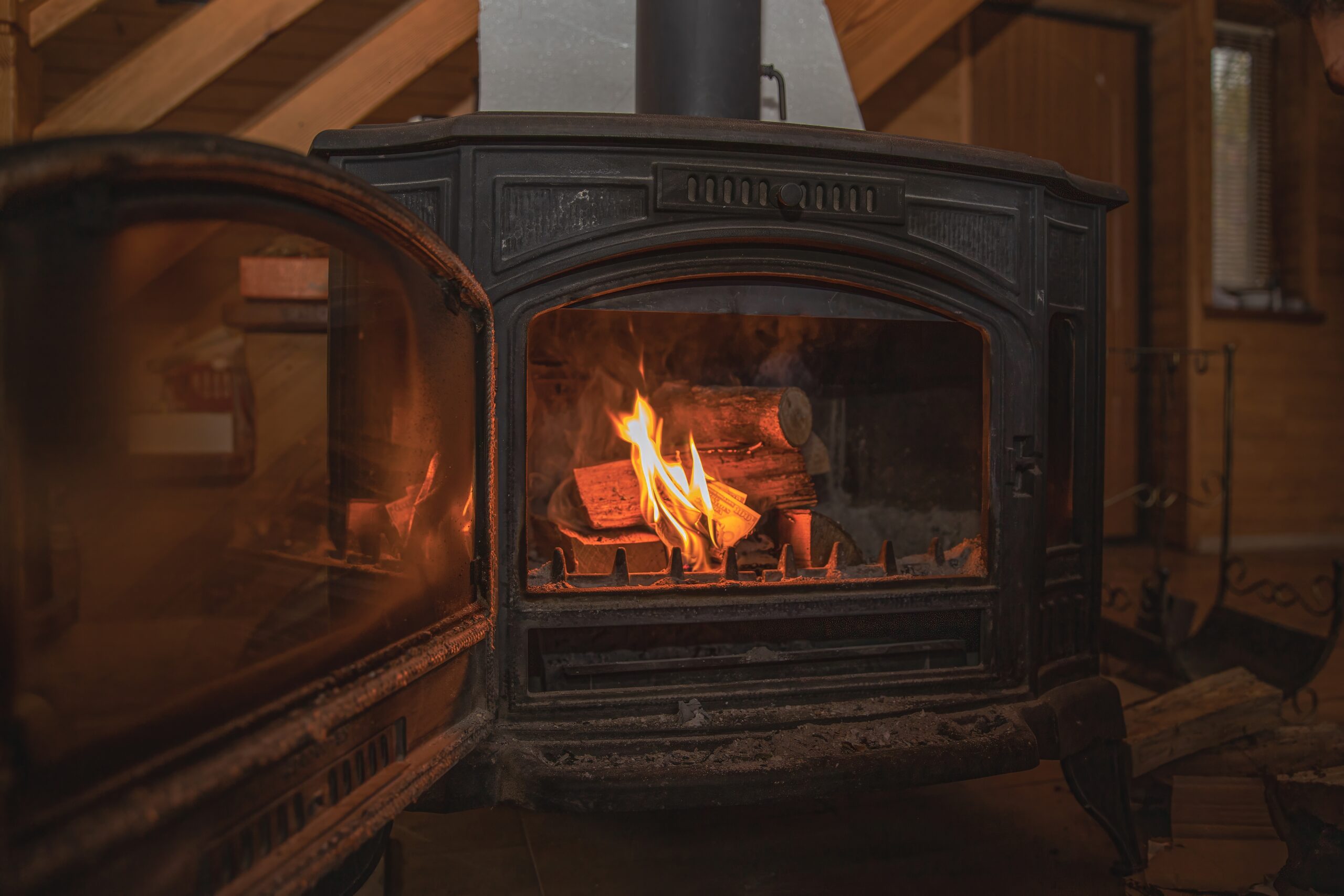
Real fireplaces give a proven sense of calm and wellbeing that other heat sources simply do not. Research has shown that watching a real flame can lower blood pressure, reduce cortisol levels, and promote relaxation. There's a reason we call the fireplace the 'heart of the home' — no radiator and no electric imitation can replicate that experience.
Gas and oil are fossil fuels. Wood isn't. When sourced responsibly, wood is a carbon-neutral, renewable fuel. Trees absorb carbon as they grow and release it when burned — creating a natural cycle that fossil fuels cannot match. Modern Defra-approved stoves burn cleanly and efficiently with properly seasoned or kiln-dried wood.
Older properties were built with airflow in mind. They need ventilation to prevent damp, condensation, and structural decay — and a working fireplace provides exactly that. Blocking up fireplaces in period properties can lead to moisture problems, mould growth, and long-term damage to the building fabric.
Real fireplaces are architectural features of genuine historical significance. From Georgian marble surrounds to Victorian cast iron inserts and Edwardian tile work, original fireplaces add character, charm, and significant financial value to a property. Once removed, these features are lost forever.
Thousands of families across the UK still rely on the fireplace industry to support themselves. From your local fuel merchant to chimney sweeps, stove installers, manufacturers, hearth builders, and distributors — it's estimated the industry contributes over £700 million to the UK economy. These are small businesses and skilled tradespeople embedded in communities up and down the country.